

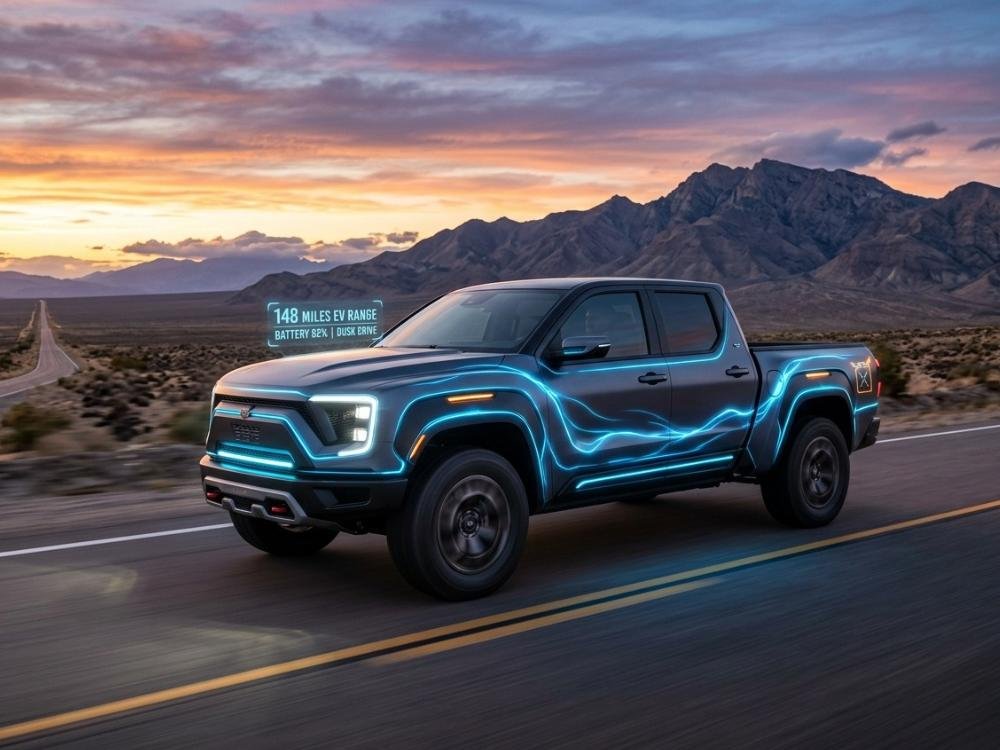
Extended range electric vehicle models like the 2026 Ram Ramcharger and Ford F-150 EREV are driving a quiet revolution in SUVs and trucks—combining true electric range with backup flexibility for real-world use and long drives. Should you trust the hype, or are there genuine advantages and trade-offs? Here’s what real research, early owner demand, and unfiltered data say—plus exactly how to make EREV tech work for your next vehicle purchase.
Key Takeaways
- Leading EREV SUVs and trucks set to release in 2026 will deliver 145-150 miles electric-only range—dramatically more than current PHEVs.
- EREVs offer a pure EV driving experience for daily needs with a gas engine as a backup generator—no direct engine-to-wheel power.
- Major satisfaction driver: range confidence for towing, road trips, or areas with weak charging networks—though true owner feedback is still scarce.
- What Is an Extended Range Electric Vehicle (EREV)?
- How to Pick and Maximize an EREV for 2026
- Advanced Analysis & Common Pitfalls of EREVs
- Conclusion
- FAQ
What Is an Extended Range Electric Vehicle (EREV)?
An extended range electric vehicle (EREV) is a unique vehicle design that blends the long-range security of a gas generator with the smooth, instant-torque performance of a battery electric car. In practical terms, this means you get a large battery—much bigger than in a standard plug-in hybrid—so you can drive as a pure EV for most daily needs. When the battery drops, a small gas engine quietly powers the generator to recharge it, keeping you moving for hundreds more miles.
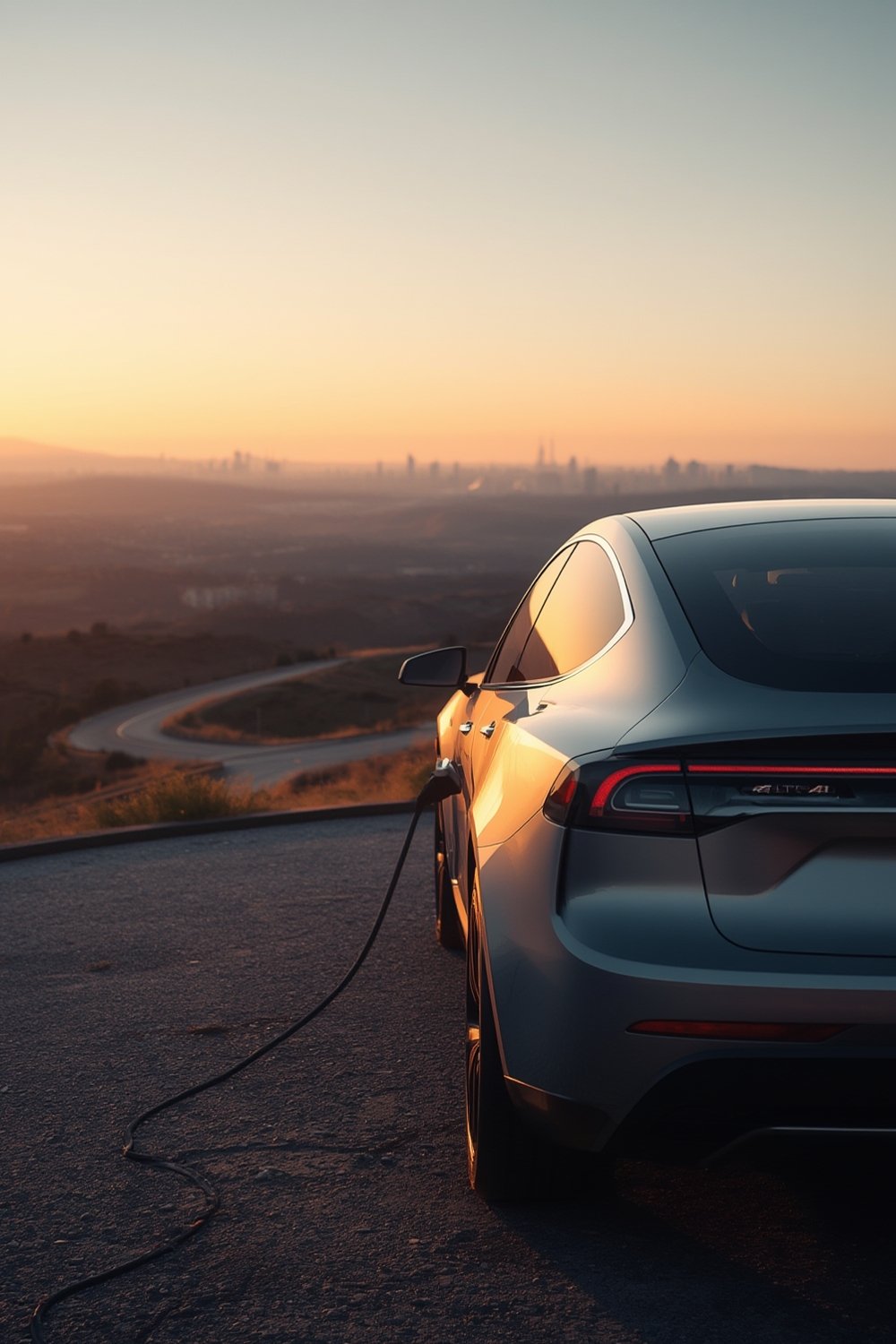
Why does it matter? Unlike typical PHEVs, the gas motor in an EREV never directly drives the wheels—it’s there only to produce electricity, so the driving feel stays consistent and electric. This design is especially impactful in trucks and SUVs, where towing, unpredictable routes, and poor public charging access can cripple full-EVs or regular hybrids. With EREVs like the upcoming Ramcharger or Ford F-150 EREV, you can confidently plan long hauls, family trips, or regular commutes—knowing range anxiety or charging headaches will not define your ride.
The difference is more than technical: you get the power of a real, extended battery, combined with the backup safety net of a traditional fuel fill—no compromise on payload, torque, or travel plans.
To compare, check out how technology innovation in everyday mobility also reshapes parenting gear, such as the electric stroller 2026 market.
How to Pick and Maximize an EREV for 2026
Choosing an extended range electric vehicle isn’t just about the sticker price. Here’s exactly what to look for and steps to get the best from EREV technology, with actionable advice for real truck and SUV buyers:
1. Compare True Electric-Only Ranges
Don’t accept the marketing headline—look for real, electric-only range figures. The 2026 Ram Ramcharger and Ram 1500 REV both list approximately 145 miles under electric power from their 92 kWh battery. The upcoming Scout Traveler Harvester promises 150 miles with a ~63 kWh LFP pack, while total “combined” ranges—after charging from the generator—can exceed 500 or even 700 miles (see the top electrified SUV and truck releases for 2026).
2. Consider Charging Speed
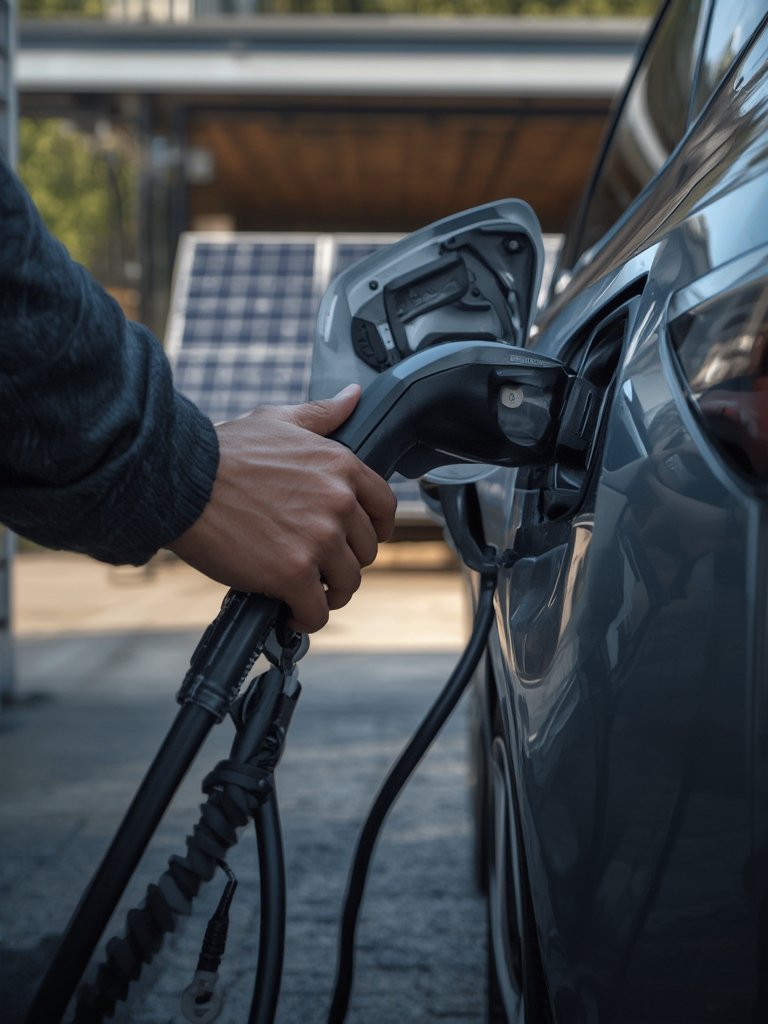
DC fast charging can add 50 miles in just 10 minutes on many 2026 EREVs. Check that your chosen model supports at least 145–175 kW fast charging (Ramcharger and 1500 REV do), so you don’t get stranded waiting at highway stops. Overnight home AC charging (at 11 kW) should fill your battery in 7–8 hours, perfect for routines.
3. Factor Cost of Ownership—Don’t Let MSRP Fool You
2026 EREV trucks are expected to launch close to gas truck prices (under $60,000 for entry Scout EREV; Ram 1500 EREV likely above gas trims). However, total cost of ownership goes beyond sticker price. EREVs should slash fuel costs if you plug in routinely, and typical maintenance is simpler than pure gas models (no transmission, fewer fluids). There’s still no perfect, apples-to-apples TCO data vs. PHEVs or BEVs—but real-world energy savings depend on your own charging habits and electricity rates.
4. Focus on Your Use Case: Towing & Range Confidence
Ask yourself: Will you tow large trailers, face regular road trips, or live in a charging “dead zone”? EREVs are tailor-made for truck and SUV owners who want EV driving most of the time—without risking family adventure or heavy work demand. 85% of Scout reservation holders even say their top reason for choosing EREV is virtual elimination of range anxiety (see owner interest data).
Don’t underestimate real-world insight in related automotive choices, such as 360 rotating car seat safety for family vehicles.
5. Plan for Next-Gen Tech, But Don’t Ignore Current Limitations
EREVs pack heavier batteries and complex electronics, so they can weigh more than old-school trucks or basic hybrids. If you’re seeking maximum payload or have garage-fit constraints, always test-drive and verify dimensions. Also, note that while you’ll rarely use gasoline with routine charging, you still need to keep the “generator tank” tank filled—especially before long trips.
Finally, always watch for updates on available rebates, as current documentation shows no clear federal or state purchase incentives for these new EREV models yet (detailed early look at the Ramcharger).
For advanced family haulers, check out how a stroller wagon 2026 can enhance daily convenience.
Advanced Analysis & Common Pitfalls of EREVs
What are the real-world downsides and hidden challenges of extended range electric vehicle technology—especially as it applies to trucks and SUVs? Here’s the unvarnished analysis:
Biggest Issues Revealed in Research
- Lack of Owner Data and Long-Term Reliability: There’s very little on-the-road feedback from real EREV truck/SUV owners, since all major models are hitting the market in 2026 onward. Early adopters should be wary—real-world reliability, repair costs, and software issues are unknowns.
- Heavier Curb Weights: EREVs use large batteries (92 kWh is common), adding significant weight versus gas or hybrid competitors. This may impact payload, acceleration when not in EV mode, and sometimes ride quality.
- No Direct Incentives (For Now): Current research uncovered no definitive federal or state income tax credits, rebates, or incentives for EREVs—possibly limiting their value versus established BEV and PHEV alternatives.
EREVs vs. PHEVs vs. BEVs – Quick Comparison
| Feature | EREV | PHEV | BEV |
|---|---|---|---|
| Electric-Only Range | 145-150 mi (Ram/Scout) | 20-50 mi | 250-400 mi |
| Gas Engine Role | Generator Only | Can Drive Wheels | None |
| Towing/Heavy Loads Suitability | High | Moderate | Depends on network |
| Charging Infrastructure Needed | Low-Moderate | Low | High |
| Risk of Range Anxiety | Low | Moderate | High |
| Incentives/Tax Credits | Not established | Yes (many models) | Yes |
Watch for Tech Overlaps
EREVs may blur the lines with advanced PHEVs or even “series hybrids” in marketing materials. Check technical specs: True EREVs always use their gas engine only to generate electricity—not to drive the wheels directly (learn more about Ford’s EREV innovations).
Don’t Ignore Lifestyle Needs
The best high-tech family choices rely on anticipating real life. See how solutions such as the Cradlewise smart crib reinvent sleep—similarly, EREVs reshape how drivers handle distance, power, and stress.

Conclusion
Extended range electric vehicle technology delivers a powerful blend of EV performance, silent operation, and backup confidence—especially critical for 2026 SUVs and trucks facing real-world loads and journeys. While EREVs promise superior electric-only range and reduced fuel anxiety, early buyers should weigh the lack of owner reliability data, minor trade-offs in weight, and unclear federal incentive status. If maximizing flexibility is your goal, the next generation of EREVs may be your best bet. Stay tuned for user reviews, and always analyze both specs and usage at local dealerships to see which extended range electric vehicle model transforms your daily driving.
Explore other real-world family vehicle upgrades in our guide to Yoto Player vs Tonie Box for distraction-free journeys with kids.
Ready to find the perfect EREV for your needs? Start with your true electric range, then visit a real-world test drive to unlock the new era of confident driving.
FAQ
What is the main difference between extended range electric vehicles (EREVs) and plug-in hybrids (PHEVs)?
EREVs use a large battery for extended EV-only driving, with a gas engine acting only as a generator to recharge the battery. In contrast, PHEVs have smaller batteries and engines that can drive the wheels directly once the battery is depleted. The EREV always feels like a true EV behind the wheel.
How far can I drive on electric power with a 2026 EREV truck or SUV?
Most leading 2026 EREVs like the Ramcharger or Scout Traveler Harvester offer 145-150 miles of electric-only range before the gas generator starts. Total combined range with generator use can reach 500 to 700+ miles.
Can I fast charge an EREV as quickly as a full electric truck?
Yes. Most new EREVs support DC fast charging at up to 145-175 kW, delivering about 50 miles of range in 10 minutes. Home AC charging takes 7-8 hours for a full refill on an 11 kW system.
Are there any federal or state incentives to buy a 2026 EREV?
As of now, there are no clear federal or state incentives or tax rebates for EREV SUVs and trucks planned for 2026; always check your local programs before purchase.
Is maintenance cheaper on EREVs than gas or plug-in hybrids?
Maintenance is likely lower than conventional gas-only trucks (fewer moving parts, less fluid, and brake wear). However, true costs versus PHEVs are still unknown, since real-world owner data for 2026 EREV models has not emerged.