

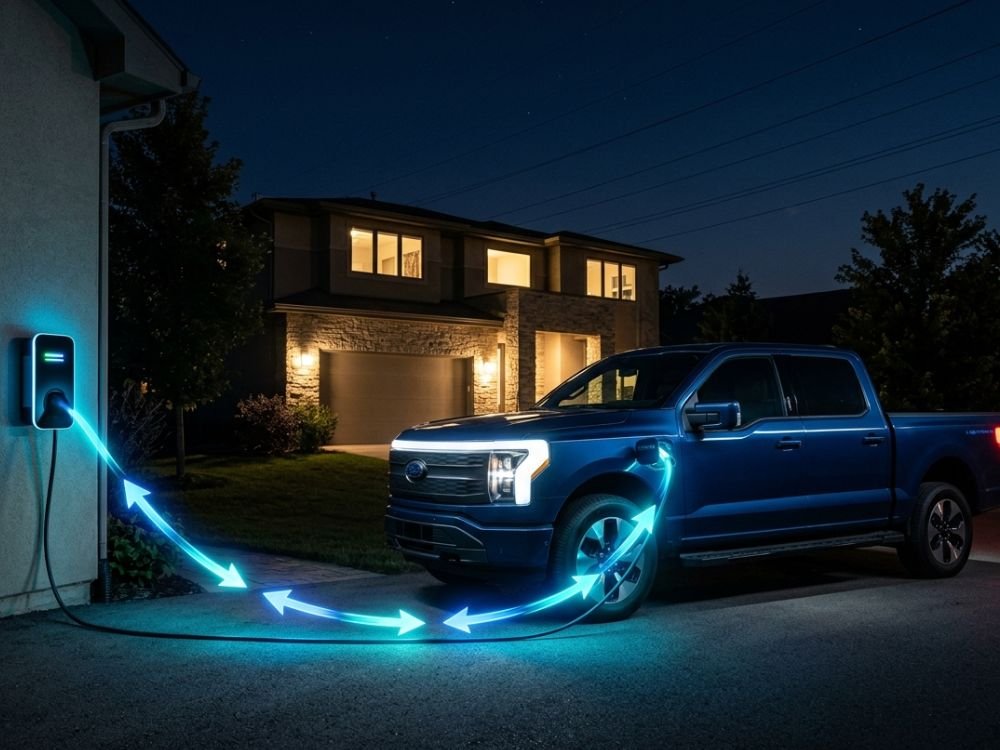
Bidirectional EV charger technology is changing how homeowners use and manage energy, making electric vehicles more than just a way to drive—they become powerful home backup batteries in 2024.
Key Takeaways
- Bidirectional EV chargers let your electric vehicle power your home during outages, often for up to two days on a full charge.
- Home adoption is rising, especially in Europe and the US, but limitations in compatibility and technical requirements still exist.
- Choosing, installing, and maintaining the right system requires careful planning due to interoperability, warranty, and grid-interconnection factors.
- What is a Bidirectional EV Charger and Why Does It Matter?
- How to Set Up a Bidirectional EV Charger at Home: Step by Step
- Advanced Analysis and Common Pitfalls
- Conclusion
- FAQ
What is a Bidirectional EV Charger and Why Does It Matter?
A bidirectional EV charger does two things: it charges your electric car’s battery, and it can reverse the flow of power to send electricity from your vehicle’s battery to your home (V2H), the electric grid (V2G), or devices (V2L). The key advantage is that your car becomes a giant home battery and a backup power source. This makes power outages and peak energy rates easier to manage, and taps into the huge battery most EV owners already own. In 2024, the market for these chargers reached USD 635 million globally, with adoption growing fastest in Europe and the US—especially as grid modernization and energy resilience become top priorities. Yet, current adoption remains limited by model compatibility and installation hurdles. If you want to skip traditional backup options and get more from your EV, this tech is the way forward.
How to Set Up a Bidirectional EV Charger at Home: Step by Step
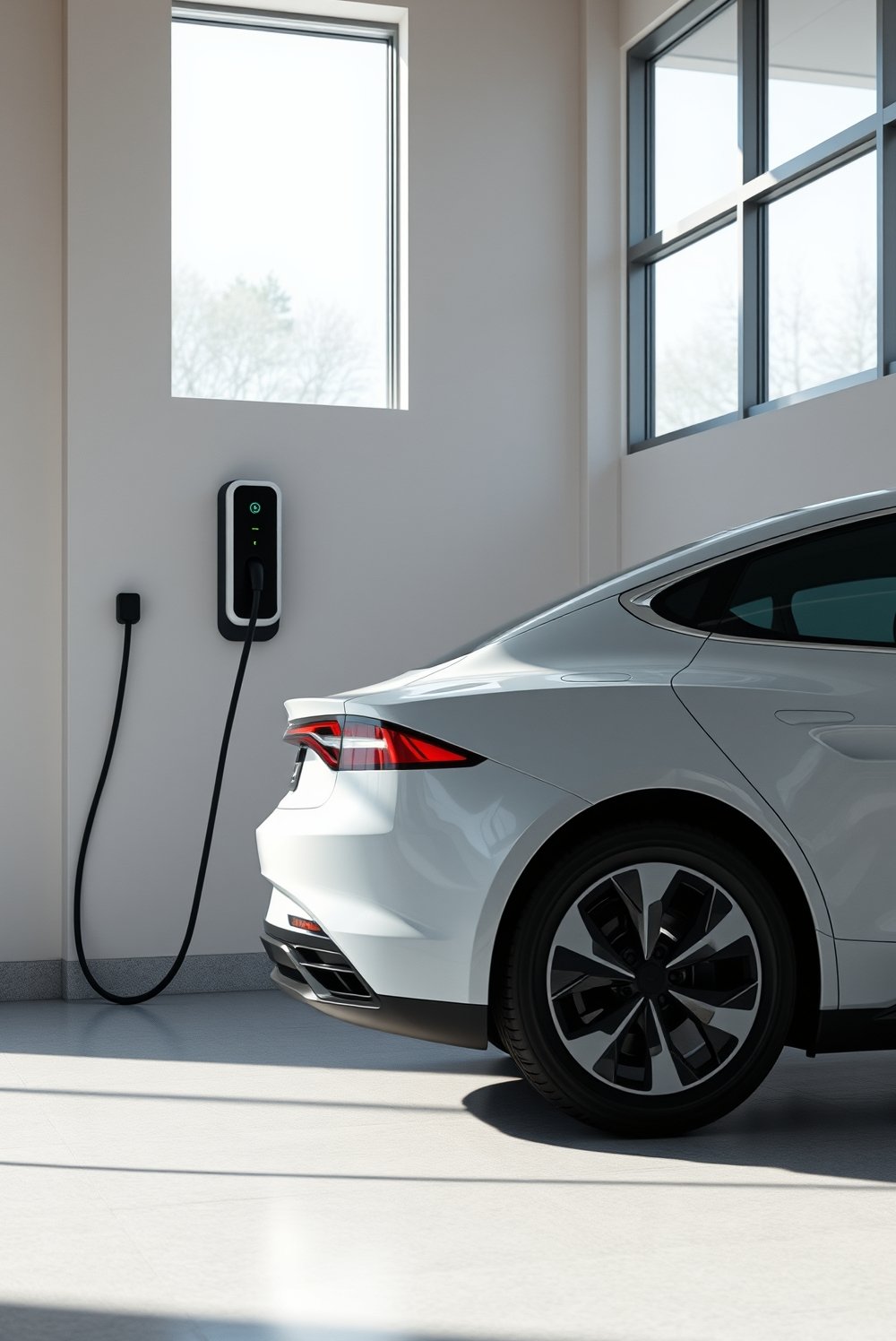
Getting a bidirectional EV charger up and running isn’t just plug-and-play. Here’s how to make your EV genuinely useful as a backup battery, and what you need to consider along the way.
-
Assess Your EV Compatibility
Research if your vehicle supports V2H or V2G. Battery electric vehicles (BEVs) now increasingly include this feature, but check with the automaker or your owner’s manual to confirm. For example, some extended range electric vehicles may offer V2H only in certain trims, and plug-in hybrids rarely qualify due to small battery sizes. -
Pick the Right Home Charger
Not all chargers labeled “bidirectional” are created equal. Focus on well-reviewed models that fit your power needs—usually in the 10-50 kW range to balance speed and cost. Expect to pay about €100 more than a standard (non-bidirectional) charger in Europe. In the US, official pricing is less transparent, but costs remain higher than standard Level 2 chargers. -
Hire a licensed electrician
You will almost always need a licensed electrician. Let them handle grid interconnection, wiring, and assess if your home’s breaker panel can handle the new load. Upgrading electrical panels or adding safety disconnects is sometimes required to meet code. -
Configure and Test the System
After physical installation, your installer must set up communications between your home, the charger, and (optionally) your utility. Check if your home energy management system or circuit is configured to allow V2H or V2G. Make sure the system passes a simulated outage test. -
Monitor and Maintain
Most newer chargers offer app-based real-time monitoring, so get alerts and updates from your phone. Maintenance requirements are minimal but keep firmware up to date to ensure grid integration and security. Warranty details are limited for 2024 models, with little public information in the US. Check with your installer.
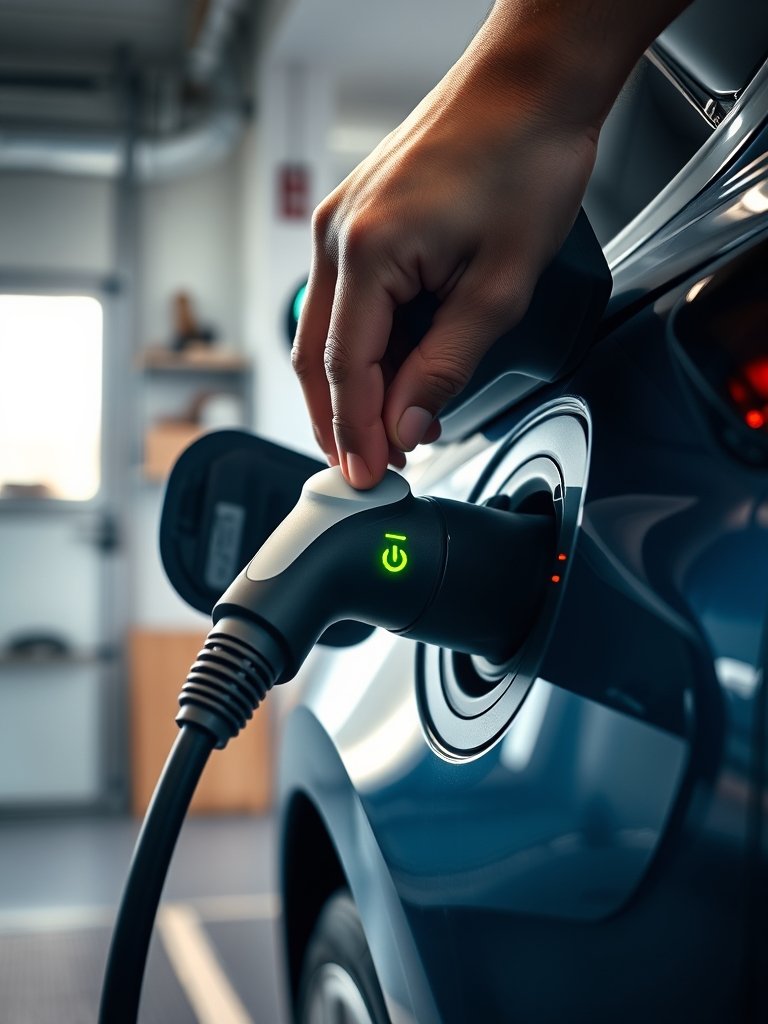
Finally, double-check if you need approval from your local utility or insurer to run V2H or V2G systems. Residential policies and grid requirements vary dramatically in 2024, and skipping these steps can mean voided warranties or policy headaches. Some energy providers offer proactive support if you’re part of a demand response program.
For parents considering other high-tech upgrades, check out guides on 360 rotating car seat safety tech or how electric vehicles complement innovations like the electric stroller 2026 for modern families.
Advanced Analysis and Common Pitfalls
Despite headlines, using a bidirectional EV charger in 2024 isn’t all upside. Real-world performance, compatibility, and installation can be trickier than expected.
Common Pitfalls
- EV Model Compatibility: Most vehicles—especially pre-2023 models—do not yet support V2H or V2G, even if marketed as “smart” or “mobile power ready.” Only certain newer BEVs and electric pickups include this feature natively.
- Charger Interoperability: Lack of compatibility between different charger brands (especially AC vs DC models) can block your project at step one. Double-check manufacturer lists and grid codes.
- Installation Surprises: Many homes require breaker panel upgrades or even utility-side upgrades to handle 10-50 kW output. That means more expense and time than most expect.
- Insurance and Warranty Gray Areas: Very few insurers or charger brands publish clear policies on V2H installations in 2024. Some home insurance policies might not cover damage from bidirectional flows—or may require notification and add-ons.
- Lack of Real-World Feedback: There is little published data about real-life failures, outage performance, or maintenance needs as of mid-2024, so you may be an early adopter without robust consumer protections.
Bidirectional Charging vs Traditional Backup: How Does It Stack Up?
| Backup Type | Typical Capacity | Run Time For Avg. Home | Emission/Noise | Upfront Investment | Maintenance & Warranty |
|---|---|---|---|---|---|
| Bidirectional EV Charger (V2H) | ~60 kWh (average EV battery) | ~2 days1 | Zero emissions / silent | High initial (charger + install) | Emerging / limited data |
| Home Gas Generator | 2-8+ kW output | As long as fuel lasts | High/noisy | Medium ($1k-$10k+) | Annual service, safety issues |
| Stationary Battery (e.g., Powerwall) | 13-40 kWh per unit | 6-30 hours (expandable) | Zero emissions / silent | High (>$8k/unit) | 5-10 yr warranty |
1 Source | EV battery powers average US house 2 days
According to a recent report, tapping EVs for backup could reduce the need for stationary batteries by up to 92 percent in Europe by 2040.
If you’re weighing other family tech, explore reviews such as stroller wagon 2026 or how smart nurseries use devices like the Cradlewise smart crib to blend energy efficiency and baby comfort at home.
Conclusion
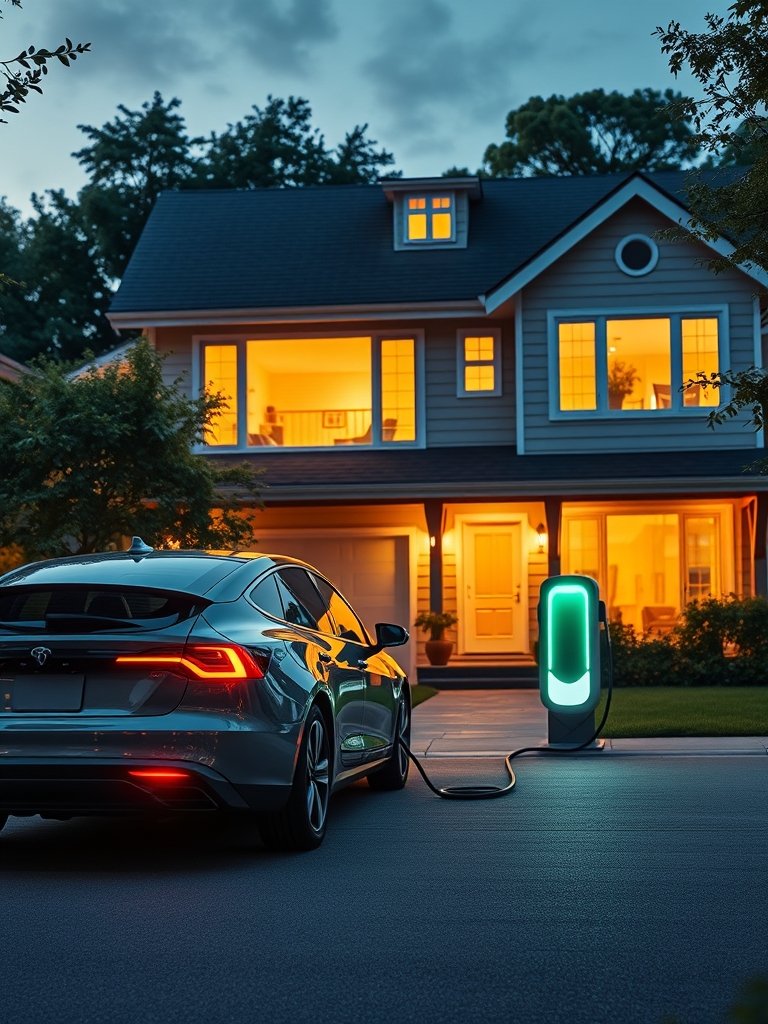
Bidirectional EV chargers are not just a tech upgrade—they are remaking how energy flows between your car, your home, and the grid. With the right planning, a bidirectional EV charger can power your house during outages, reduce your stationary battery costs, and support the wider electric grid. Yet, don’t skip your homework: compatibility, technical requirements, insurance issues, and unclear warranties are common headaches in 2024. The future is bright, but successful adoption still demands a careful, step-by-step approach. If you’re ready for smarter, resilient home energy, start your journey now and future-proof your home. Have questions or want to protect your energy independence? Take action—contact a qualified installer today.
FAQ
Which EVs support bidirectional charging for home backup?
As of 2024, only certain newer BEVs offer full V2H/V2G support. Ford F-150 Lightning, Hyundai Ioniq 5, Kia EV6, and select Nissan LEAF models are often cited. Always check the latest model year details, as features and compatibility vary.
How long can a typical EV power my house?
An average EV with a 60 kWh battery can supply enough energy to power an average home for about two days, depending on your usage.
What are common technical challenges with installation?
The most common issues are panel upgrades, grid interconnection approval, lack of interoperability between charger brands, and unclear utility or insurer requirements. Consult both your utility and a licensed electrician upfront.
Do I need special insurance for a V2H setup?
Few insurers clearly address home bidirectional charging in their 2024 policies. Always notify your insurer and document your upgrade. You may need to add endorsements or accept added terms to maintain protection.
Is a bidirectional charger worth the investment over a gas generator?
While upfront costs are higher, a bidirectional EV charger offers silent, emission-free energy, potential energy bill savings, and avoids fuel hassles. For those already owning compatible EVs, it can replace or supplement traditional backup options.