

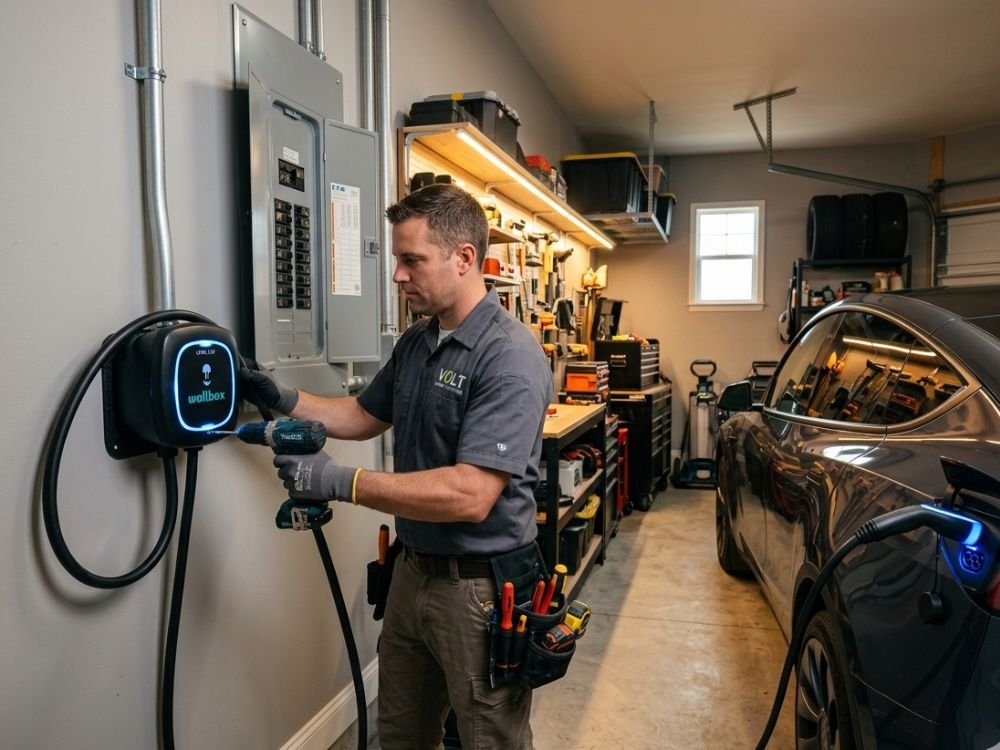
Home EV charger installation cost is one of the top questions for every electric vehicle owner looking to set up fast, reliable charging at home. Costs can swing wildly depending on your location, electrical system, and setup preferences. Here’s how you can plan for realistic numbers, setbacks, and options in 2024 and beyond.
Key Takeaways
- Average home EV charger installation cost ranges from $800 to $3,200, but can climb higher with panel upgrades or complex garage setups.
- Labor, permits, and electrical upgrades are the largest hidden costs; expect regional variations over $1,000 between states.
- Choosing the right charger and installer helps avoid expensive surprises and maximizes long-term compatibility.
- The Core Concept: Understanding Home EV Charger Installation Cost
- Step-by-Step Guide to Installing a Home EV Charger
- Advanced Analysis & Common Pitfalls
- Conclusion
- FAQ
The Core Concept: Understanding Home EV Charger Installation Cost
Home EV charger installation cost is determined by several major factors: region, labor, garage type, hardware, and required electrical upgrades. In 2024, typical costs to fully install a Level 2 charger at home range from $800 to $3,200 nationally, with most homeowners falling between $965 and $2,100 when hardware is included. Regions like Oregon average $1,834 for installation (excluding charger), while California and New York installations can easily exceed $2,500 due to local labor and permit rates. In Mississippi, complex or rural setups can push averages beyond $3,600.
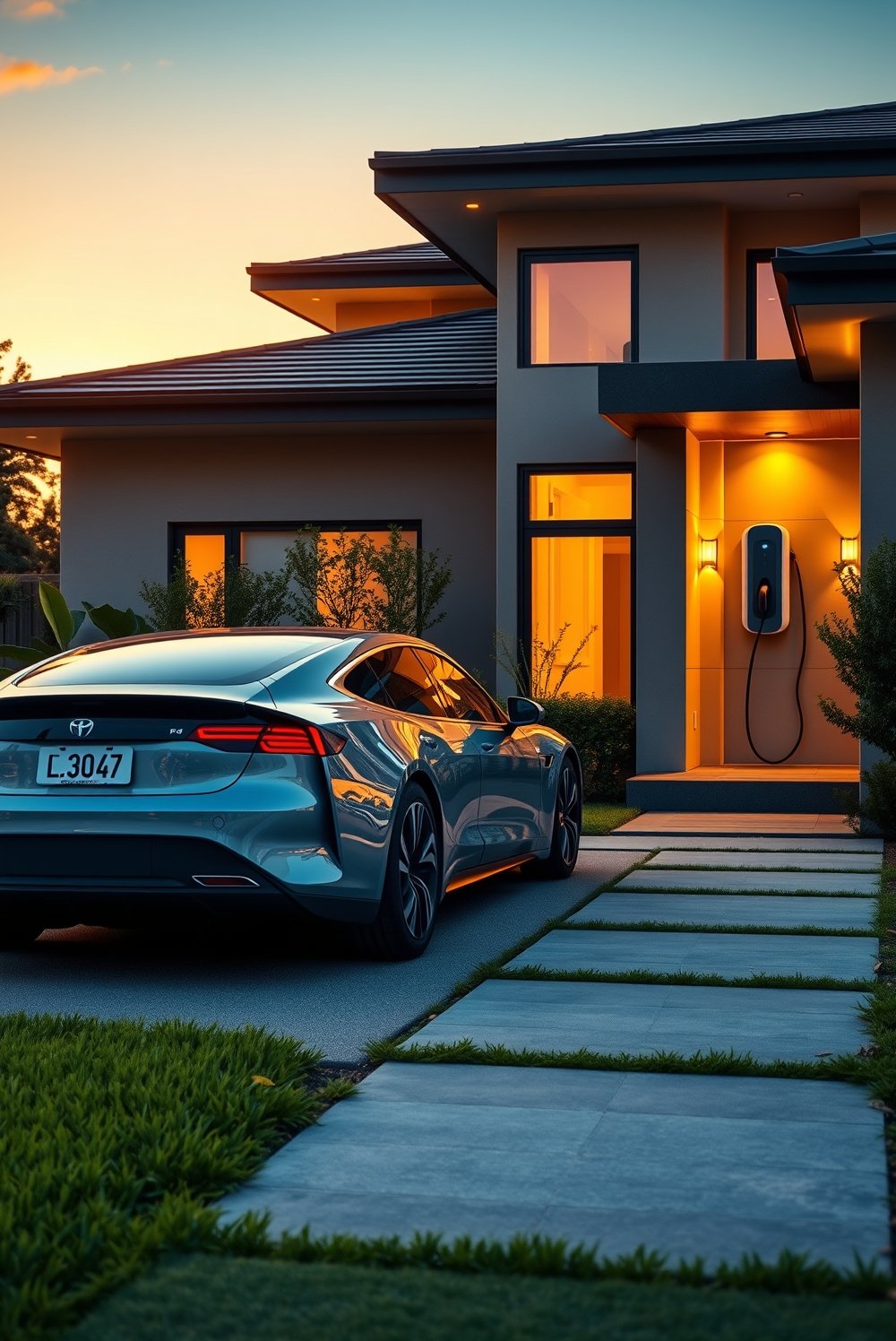
Key drivers of price include what’s already in place. If your electrical panel lacks free capacity, required panel upgrades add $1,500 to $4,000 or more. Garage type matters: if your garage is detached or needs a long cable/trench from the main panel, costs jump due to trenching ($10-$25 per linear foot) and extra conduit work. Outdoor installations also require concrete mounting pads ($200-$500).
Most modern Level 2 chargers (32–48 amps, Wi-Fi enabled) cost $400–$1,200 before labor. Chargers like the Tesla Wall Connector bring 48A (11.5 kW) power for about $475, but always require licensed electrician installation and appropriate permits [source], [source].
If you want to compare these costs and upgrades with what you’d face on other electric vehicle tech, see the extended range electric vehicle guide for additional context on hardware, installation, and support.
Step-by-Step Guide to Installing a Home EV Charger
A successful Level 2 home EV charger install follows a predictable path, but your actual cost and outcome depend on attention to detail at each step.
- Assess your electrical panel and location needs. Determine if your panel has spare capacity. This affects whether you’ll pay just for a new 240V circuit ($300–$800) or need a complete upgrade ($1,500–$4,000).
- Pick the right Level 2 charger. Decide on power (usually 32–48A), features (app control, Wi-Fi), and compatibility (J1772 vs NACS, Tesla vs universal). Most top sellers are in the $400–$1,200 range. For more on smart garage devices, compare setups showcased in the electric stroller 2026 feature.
- Choose same-wall or detached install. A same-wall install (panel and charger on the same wall) is easiest—often $800–$1,400. Detached garages or outdoor parking almost always require trenching or long wire runs. Trenching adds $10–$25/foot, and running 100+ feet increases labor cost (add $5–$8/foot past 100 feet).
- Select, schedule, and vet a licensed electrician. Labor rates for Level 2 charger installs run $300–$1,200, depending on complexity. Installing a new NEMA 14-50 outlet is usually bundled for $400–$1,200. Ask about included permits, inspection, setup, and travel fees, which are common “hidden” budget shockers.
- Obtain all necessary city permits and inspections. These cost $50–$500 but are mandatory for legal, insurable work. Some localities charge higher rates or require additional utility checks. If you’re comparing with other home tech for children, get a sense of permit challenges via tips in the 360 rotating car seat safety guide.
- Perform the install and confirm safe operation. A quality electrician will test voltage, breaker amperage, and ground fault protection (GFCI breakers, $100–$200). Insist on a walkthrough before final payment.
- Register your charger and get receipts for potential future incentives or warranty claims.
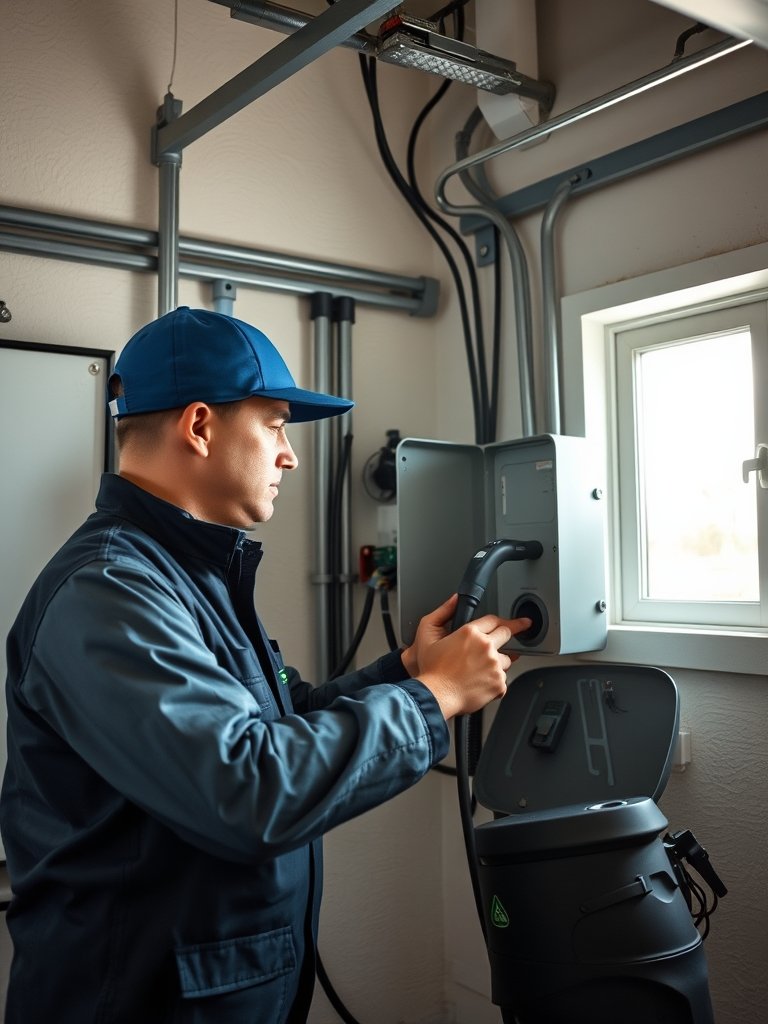
Expect the whole process—from first quote to a done, inspected install—to take anywhere from one day (simple, same-wall install) to a week or more (panel upgrades, trenching, permit delays).
Throughout your research, you may want to compare bidirectional EV charger systems—the ability to use your EV as backup power at home. Explore that topic in depth in the bidirectional EV charger guide.
Advanced Analysis & Common Pitfalls
Even after you plan for basic hardware and labor, several “hidden” or unexpected costs can drive up your total home EV charger installation cost.
| Cost Factor | Typical Price Range | Risk/Hidden Issue |
|---|---|---|
| Panel Upgrade | $1,500 – $4,000+ | Required if existing panel lacks space or amps |
| Trenching/Long Cable Run | $10–$25/foot (basic); +$5–$8/foot after 100 feet | Sharp cost spike for detached garages or distance |
| Permits & Inspections | $50 – $500+ | Often required, with rising city fees |
| GFCI Breaker Upgrade | $100 – $200 | May be code-required even if not requested |
| Concrete Pad (Outdoor Only) | $200 – $500 | For outdoor or curbside installations |
| Labor Variation | Varies (up to 60% between local contractors) | High estimate spread—get multiple bids |
Common pitfalls include:
- Underestimating panel capacity—often only discovered after an electrician’s site visit
- Assuming permits are included (they may not be—clarify with your installer)
- Selecting a charger brand or outlet type that lacks compatibility with future EV models (e.g., NACS vs J1772 evolution)
- Not accounting for time: upgrades and inspections can add days to your install
- Relying on a single quote—regional labor swings and scope creep can easily inflate final price
- Neglecting charging speed variances and long-term maintenance costs—more powerful units pull harder on your panel, impact utility bills, and could need upgrades later if your next EV requires higher amps
As for the charger itself, newer 2026 models (Tesla Wall Connector, select high-amp Wi-Fi units) retail for $400–$1,200 and require a dedicated 240V circuit [source]. Always check for universal standards like J1772 or NACS compatibilities, especially as manufacturers shift charging port specs.
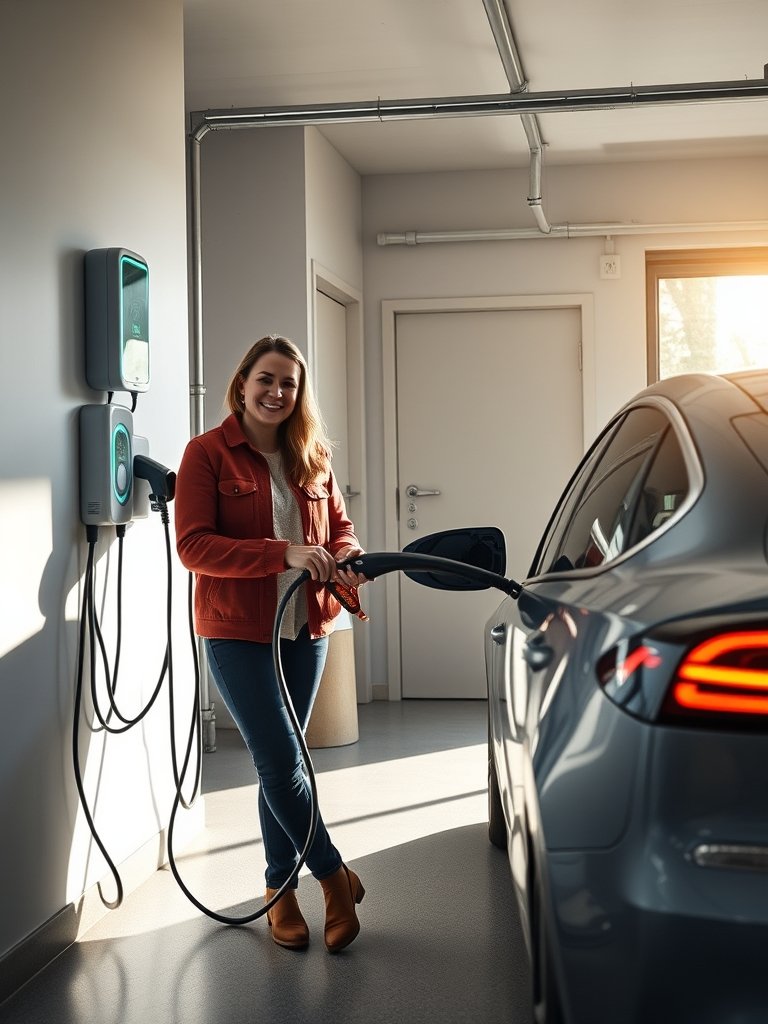
If your home is already kitted out with smart tech, consider extending your investment by aligning EV infrastructure with easy upgrades, similar to optimizing for adaptable solutions found in the Cradlewise smart crib guide.
Conclusion
Home EV charger installation cost can fluctuate based on region, garage setup, electrical panel health, and your charger preferences. The most expensive surprises come from panel upgrades and complex or long-distance installs, so diligent advance planning is essential. Most US homeowners pay between $1,000 and $2,500 total by the time labor, permits, and a midrange charger are added. Focusing up front on compatibility, code compliance, and charging location will help you steer clear of hidden fees and futureproof your investment.
Ready to take the next step? Gather quotes, get a panel check, and review options for a smooth, efficient, and cost-controlled home charging setup. For more on EV charging, check the related buyer’s advice in the stroller wagon 2026 resource—and make sure your home charger fits the growing needs of your family’s tech ecosystem. Don’t let your home EV charger installation cost spiral—plan, compare, and install smart.
FAQ
How much does it cost to have a professional install a Level 2 home EV charger?
Expect to pay between $300 and $1,200 for professional labor, plus $400 to $1,200 for the charger itself. Complicated installs (panel upgrades, trenching) can bring the total to $3,200 or more.
Will I need to upgrade my home’s electrical panel for a new EV charger?
If your main panel lacks available amperage or space for a dedicated 240V circuit, you’ll likely need an upgrade, adding $1,500 to $4,000 to your project.
Are permits and inspections required for home EV charger installation?
Yes, most local codes require a permit and inspection for high-voltage charging stations. Fees range from $50 to $500, and sometimes much more in high-fee cities.
What unexpected fees might show up during installation?
Common hidden fees include costly panel upgrades, long-distance trenching, travel surcharges, GFCI breaker requirements, and unanticipated permit costs.
Do smart home chargers require special setups or extra maintenance?
Some smart chargers need Wi-Fi connections and periodic firmware updates. Long-term maintenance is usually low but may involve cable or connector replacement over time.