

Car air purifier HEPA review is the phrase on every car owner’s mind in 2026, as demand for cleaner in-cabin air has exploded post-COVID alongside urban pollution and allergy risks. If you commute, have kids, or value your health, understanding what these devices really do — and what fails — could be the smartest car upgrade this year.
Key Takeaways
- HEPA filters dominate the car air purifier market in 2026, with hybrid HEPA + activated carbon models positioned as best-in-class for both allergen and odor removal. [source]
- Most user complaints center on weak air cleaning impact in bigger vehicles, noisy fans, and the high cost or short lifespan of replacement filters – especially in tough, polluted urban settings.
- Competitor reviews rarely address real-world long-term health or maintenance realities; buyers should demand clear info on filter replacement, noise, cost, and performance over time.
- What Sets Car Air Purifier HEPA Review Apart in 2026?
- Step-By-Step Guide: Picking the Right HEPA Air Purifier for Your Car
- Biggest Pitfalls in Buying and Using Car HEPA Air Purifiers
- Conclusion: Is a HEPA Car Air Purifier Worth It in 2026?
- Frequently Asked Questions (FAQ)
What Sets Car Air Purifier HEPA Review Apart in 2026?
After COVID-19, drivers everywhere got serious about in-cabin air — and the search for the best car air purifier HEPA review exploded. Let’s cover what makes these units tick, why demand surged, and which filter types matter most for your health, kids, and daily driving.
HEPA car air purifiers use High Efficiency Particulate Air filters to physically trap tiny allergens, dust, pollen, bacteria, and PM2.5 — the microscopic nasties deeply linked to respiratory and cardiovascular issues. In most market reports, HEPA tech is the leading air purification segment for cars (by sales and interest), especially in urban and allergy-prone regions. Nearly all experts agree: HEPA is a must for allergy and asthma sufferers.
But there’s a twist. Hybrid filters combining HEPA and activated carbon are quickly becoming the gold standard. HEPA traps physical particles, while carbon absorbs stubborn odors, volatile organic compounds (VOCs), benzene, and off-gassing chemicals commonly found in new cars, rideshares, or city traffic. Combo systems offer real-world air improvement — not just allergy relief but also fresher, less toxic driving environments.
Recent market studies forecast the global car air purifier market at USD 2.51 billion in 2026, heading for nearly $3.5 billion by 2030, riding on two major waves: skyrocketing health awareness and the pain of everyday air pollution. Asia-Pacific leads growth, but North America and Europe are fast followers as premium automakers roll out built-in air purification.
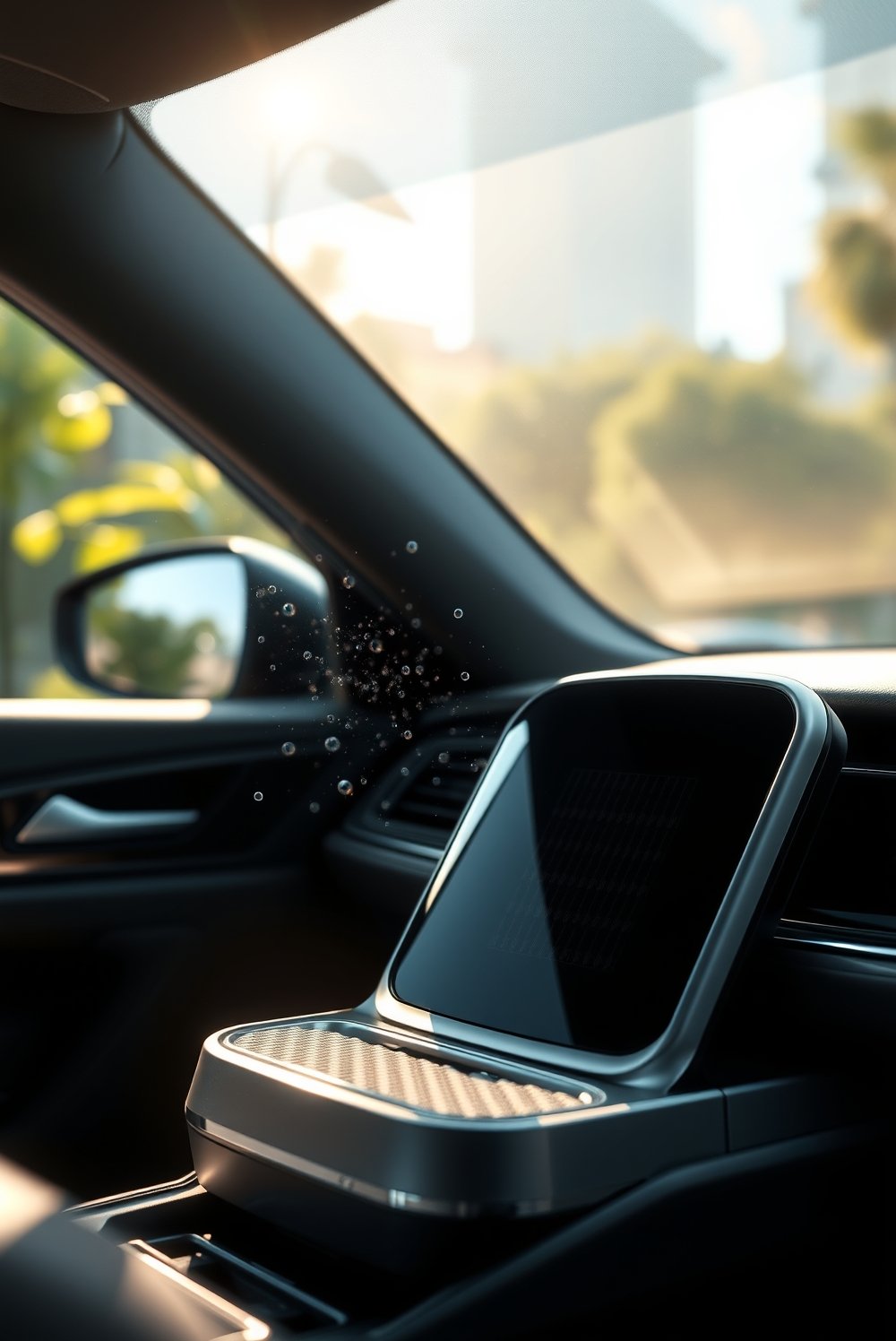
Despite hundreds of models now on the market, and dozens of “best” lists, few articles (or even official sites) tell buyers the whole story. What’s the real cost and maintenance? How do HEPA and hybrids stack up for allergies versus odors? And what features give you true health protection on the road — not just recycled marketing claims?
In this guide, you’ll get actionable steps, verdicts on common complaints, insider hacks, and expert warnings you won’t find in most quick reviews. (For car tech enthusiasts, check out our guides to AI dash cams, cordless car vacuums, and phone mounts to complete your in-cabin upgrade.)
Step-By-Step Guide: Picking the Right HEPA Air Purifier for Your Car
Ready to shop for a car air purifier with HEPA filtering? Here’s the step-by-step breakdown, including clever tips you will wish you knew before buying.
- Match unit type to cabin size and concern: Compact single-vent models are fine for solo drivers and smaller cars, but large SUVs and family vans may need higher Clean Air Delivery Rate (CADR) — look for this spec. If you are hit by smells or are sensitive to both particles and odors (kids, pets, city traffic), insist on a HEPA + activated carbon combo.
- Check filter life and cost: Many cheap units require frequent filter changes — sometimes every 3 months — and replacements can cost nearly as much as the unit itself. Investigate genuine replacement filters availability and typical lifespan in urban environments.
- Evaluate noise and install: Some purifiers get noisy at max fan speeds (bad for calls or baby sleep). Ideally, get a unit with multiple fan settings or an auto mode. Most plug into 12V sockets or USB, but double-check cable length and mounting options for your car.
- Demand clear health specs: Any good car air purifier HEPA review should quote actual performance: look for PM2.5/PM1.0 removal rates, CADR, and whether the HEPA is true medical grade. “HEPA-like” doesn’t guarantee protection.
- Look for smart extras — but don’t overpay: Features like app integration, auto sensors, or air quality feedback can be helpful, especially if you want a set-and-forget experience. However, real filtration power matters more than Bluetooth or lights.
- If budget allows, get an OEM-integrated system: Many premium models now offer factory-built air purification as part of the HVAC. This usually means less hassle and optimized performance — but it’s typically a luxury car or high-trim option.
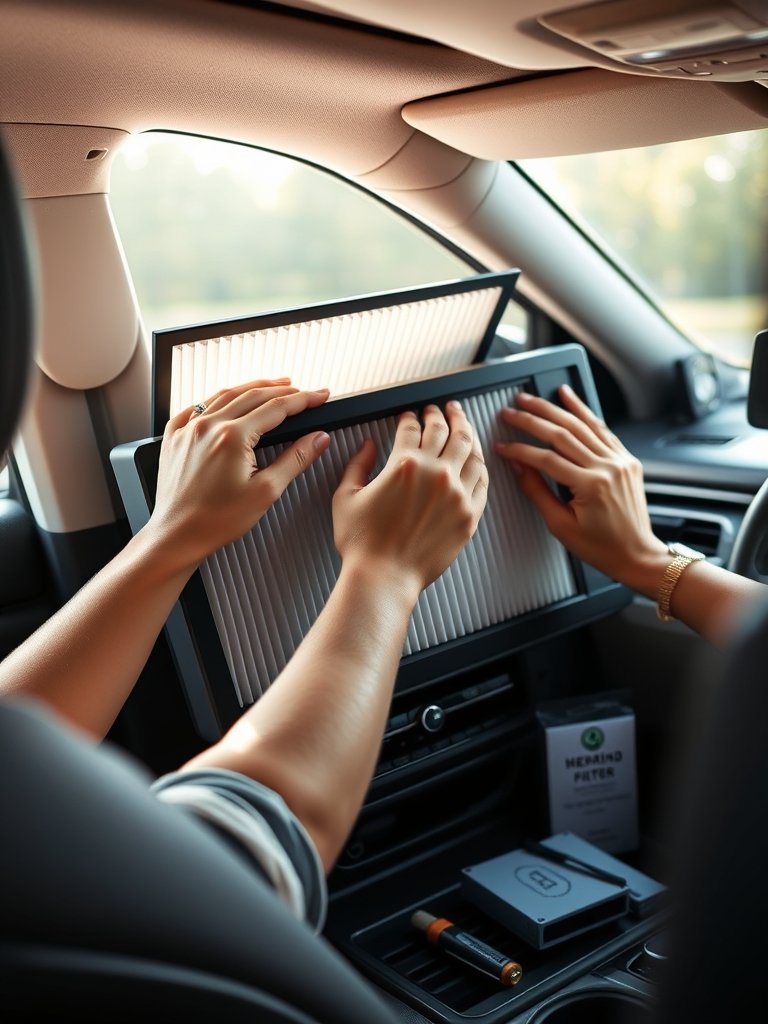
Still unsure how to weigh performance claims or labels? Look up the brand’s test data, check actual filter codes (not just “universal”), and confirm there’s no “ozone generator” wizardry — only true filtration. Many units claim HEPA but only meet “HEPA-style” specs (not true filtration). See what users say about long-term reliability and after-purchase support in independent forums and trusted tech review outlets.
For those building a tech-forward car experience, see how purification compares with other must-haves like 4K dash cams or EREV extended-range electric vehicles — an upgraded cabin is now about wellness, not just gadgets.
Biggest Pitfalls in Buying and Using Car HEPA Air Purifiers
Before you hit buy, beware of these classic mistakes and consumer headaches seen across 2026 forums, user reviews, and expert research. Most market reports gloss over them — don’t be fooled.
| Pitfall | What Happens | How to Avoid |
|---|---|---|
| Buying “HEPA-only” when odors or gases are a major concern | Cabin may smell or feel stuffy even if dust and pollen are reduced. Complaints about “no real difference” are common. Plain HEPA does not remove VOCs or toxins. | Opt for a hybrid HEPA + activated carbon model or an OEM system if smells, city pollution, or chemical off-gassing are an issue. |
| Ignoring filter replacement cost and supply | Replacement filters are pricey and sometimes impossible to find 6–12 months later, leading to dead units or poor performance. | Buy extra filters up front. Choose brands with solid U.S. or EU distribution and verified after-sales support. |
| Expecting whole-car results from tiny desktop purifiers | Underwhelming air cleaning, especially in SUVs or 3-row vehicles. Many units can’t handle big cabins. | Check suggested cabin size/CADR and match to your vehicle class. Large cars may need two units. |
| Underestimating noise impact | Loud fans disrupt music, calls, or sleep — especially when running on high after a window is opened or with a car full of people. | Look for models with multi-speed/quiet mode. Avoid units with only a single fan speed or no published dB specs. |
| Forgetting about filter lifespan in tough environments | Drivers in urban, high-allergy, or dusty zones burn through filters faster than advertised, losing protection just when it’s needed. | Replace filters more often than marketing claims, and monitor visible dust load or decreasing airflow. |
Other pitfalls? Thinking smarter means better: Features like app control are tempting, but if filter quality and airflow aren’t up to snuff, you won’t get real protection. And don’t count on “official” competitor reviews to warn you — most focus on market size, not life in the real world [see IMARC research].

Lastly, maintenance is largely overlooked by mainstream articles. Few compare filter replacement schedules, cleaning frequency, or the headache of tracking down parts after a year or two. If you want a low-hassle ownership experience, scrutinize brand support forums and recent user reviews — not just spec sheets from press releases.
Conclusion: Is a HEPA Car Air Purifier Worth It in 2026?
In summary, this car air purifier HEPA review guide confirms what market research and savvy buyers already suspect: True HEPA (and even better, HEPA + activated carbon) filtration models are vital for anyone concerned about in-cabin health — but buying right is about more than chasing the biggest market segment.
Demand is projected to keep growing through 2030, especially as urban air worsens and consumer health awareness peaks [Business Research Company]. But the smartest buyers look past the buzz, focusing on filter quality, realistic maintenance, fit for their vehicle, and proven results — not just smart features or glossy ads.
If you’re committed to safe, breathable cabin air, follow the actionable steps above before your next purchase or trip. And remember: for a truly healthy, connected ride, don’t miss our complete guides on EV home charging installations, no-fee GPS trackers, and tech upgrades like AI home hubs to stay ahead of the next car tech trend.
Frequently Asked Questions (FAQ)
Do HEPA car air purifiers remove viruses and bacteria?
True HEPA filters trap most bacteria and aerosolized droplets that viruses travel on, but no portable car air purifier can guarantee 100% virus removal. For extra peace of mind, choose a unit with true HEPA and activated carbon for double protection, and combine with regular car cleaning.
How often should I replace the HEPA filter in my car air purifier?
While many brands claim 12 months, real-world lifespan can be as short as 3-6 months in polluted or urban environments. Check for visible dust, airflow drop, or odor breakthrough. Stick to your car’s user manual or set digital reminders for best results.
Are car air purifiers with HEPA filters noisy?
It depends. Higher fan speeds (needed to clean more air quickly) will produce more noise. Many models now offer quiet or auto modes, but tiny purifiers often run loud to compensate for weak airflow. Always check decibel (dB) specs or test in-store if noise is a concern.
Is it better to buy a separate HEPA air purifier or an OEM built-in system for my car?
OEM systems are typically more powerful, seamlessly integrated, and easier to maintain, but are available mainly in premium vehicles or as costly add-ons. Aftermarket portable purifiers are flexible and more affordable, but often require more frequent filter changes and careful placement.
Can I use a regular home HEPA air purifier in my car?
No. Home units are not designed for car interiors, 12V/USB power, or the vibration and temperature of vehicle operation. Always use models rated for automotive use to ensure safe, effective, and reliable air cleaning in your car.